
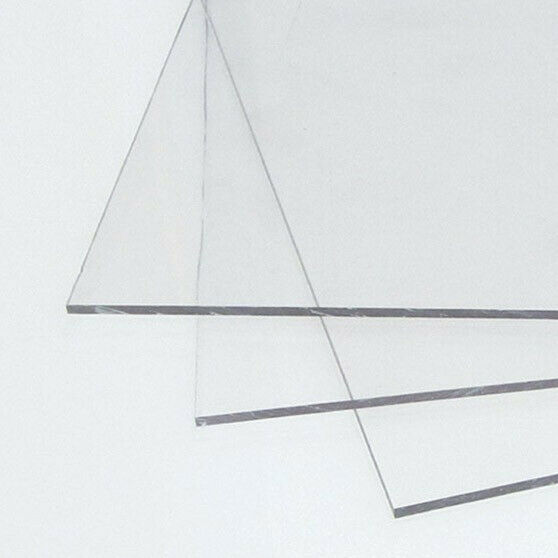
Description
The polycarbonates resistant to mineral acids, aliphatic hydrocarbons, gasoline, greases, oils, alcohols except methyl alcohol and water below 70°C.
Above this temperature the water attacks the polymer favoring a gradual chemical decomposition.The mechanical properties, such as elongation, tensile strength, resistance to impact and flexion, are combined with a high toughness which makes this compound very useful in the industrial field. The transparency and the absence of color allow a light permeability of 89% in the visible spectrum.The UV are absorbed and cause yellowing, such as atmospheric agents wear out the surface thereof. The transparency of polycarbonate, combined with the mechanical properties, makes it the natural replacement of the glass.The polycarbonates highly crystalline melt at approximately 260°C and are less soluble than amorphous, have a high capacity to concentrate the light and are used to produce the
lenses. By contrast exhibit the problem of having a surface tender and scratched. Techincal details:
Raw material Polycarbonate (PC). Specific gravity: 1.20
Some applications:
It is used as a substitute of glass. Characteristics: it can thermally insulate an environment, high mechanical resistance to impact, good workability, it is a very light material, very easy to handle safely, it has good chemical and physical stability.
It can be flexed even when cold. Polycarbonate sheets are protected with special filters allowing the material to retain ultraviolet radiation,
It is widely used in construction to make skylights, canopies, windows, walkway roofs, etc..
In the agricultural sector it is used for the construction of greenhouses as it offers good thermal insulation and good resistance to ageing.
Reviews
There are no reviews yet.